
Showing posts with label biologic dentistry. Show all posts

Friday, May 1, 2009

Microscopes and Oral Spirochetes: Visual Images With Impact


Five years ago, I purchased a phase contrast microscope for our hygiene department. My intention was not to become a microbiologist but to observe and identify live samples of the bacterial activity occurring in our patients’ mouths. I was particularly interested in the subgingival areas (below the gum level) where it’s difficult to clean with regular brushing and flossing.

Under normal, healthy conditions, our microscopic slides show acceptable level of bacteria, such as rods, cocci, vibrios, white blood cells, and a few red blood cells. Compromised situations in our patients’ health usually reveal a different picture. These slides show a high level of bacterial activity. The bacteria, especially the rods and spirochetes, are responsible for the bleeding and destruction of your periodontal pockets.

When the oral cavity begins to break down with the presence of inflammation and disease, the tooth and body connection concept reminds me that this is a local event occurring in response to a more serious systemic complication.

The information that I discovered about the biological effects of oral spirochetes was alarming. These long, slender, thin, corkscrew shaped microbes are found in the oral cavity in various numbers and forms. They have been strongly implicated as playing a role in the etiology of periodontal disease.

If these microorganisms are discovered, irrigation of the tissue with a bactericidal agent should be employed prior to any dental treatment to avoid causing a bacteremia (bacteria circulating throughout the blood stream). These include diluted bleach, chlorohexidine, or a product that I like to use in our office called Tooth and Gum Tonic which consists of botanical anti-microbials. All of these will kill any active pathogenic organisms.

Antibiotics do not eliminate oral spirochetes as in other spirochetal diseases. Antibiotics only force the spirochetes into a more protected spore form thus triggering a survival strategy that allows them to resurface at a later date.

Even more dangerous are long term exposures to spirochetes. Long term exposure can develop into systemic chronic inflammatory diseases that catch up with people during later, more vulnerable, years. Oral spirochetes associated with chronic conditions are similar to those found in syphilis, Lyme disease and atherosclerotic heart disease. Another spirochete that is thought to populate the gingival sulcus is Helicobacter pylori which is the bacteria that causes stomach ulcers and cancer.

Most spirochetes are free-living and anaerobic. Therefore, they flourish in an environment that supports this condition. Acidosis (an acidic condition of the body) which reduces available oxygen to the cells can contribute to the increased presence of this bacteria.

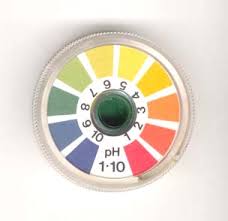
The only way to fight the disease when it reaches this stage is to keep the immune system strong by practicing good oral hygiene, physical health, proper nutrition, and appropriately handling chronic stress. My personal experience has taught me to provide a microscopic evaluation of the saliva when its pH is measured below 6.5. At this level, spirochetal activity is often observed.
Biological dentistry has shown that not only the mouth needs to be treated but that the entire body also needs the appropriate attention to support and maintain one’s overall health and well being. If oral spirochetes are detected during an examination, appropriate measures will be taken to avoid this insidious bacterium from causing any further ill effects to our patients.

Introducing the phase contrast microscope’s real time visual images to our patients, of their own saliva, during their regular checkups has made a significant contribution to both their understanding of the impact of spirochetes and their motivation to maintain a healthy oral environment. A periodic microscopic evaluation should be the norm during regular checkups.

We offer this examination to our patients once a year and at no charge. It provides a quick, easy and painless evaluation of oral bacteria and offers immediate feedback before the patient leaves the office. It has become an excellent patient motivator to promote healthy lifestyle changes when needed.

Friday, October 24, 2008

Bisphenol A: A Dental Concern for Our Patients or Not?

By Michael Rehme, DDS, CCN


An important lesson that I’ve learned over the years about Biological Dentistry is to ask questions. Then to be willing to make the appropriate changes that seem necessary for improving the health and well being of our patients.


The use of specific dental materials and their biological compatibility for our patients has always been a concern for me. About 6 months ago, I was investigating a chemical used in dentistry called Bisphenol A (BPA). This is a common additive to plastics and a by-product of the chemical Bis-GMA.

Bis-GMA is an ingredient found in many dental resins or tooth colored fillings and sealants. It is also a widely used substance commonly found in plastic containers, baby bottles and the lining of metal food cans.


The problem I found with BPA is that it’s a hormone disrupter that can mimic estrogen. Some research has linked it to health consequences, including early puberty in girls, breast and prostrate cancer, and attention deficit and hyperactivity disorder.


That led me to ask: Is it safe to use in dental products? What are the experts saying about this additive that is found in most dental fillings and sealants? The following describes what I found.

The ADA (American Dental Association) believes any concern about potential BPA exposure from dental composites or sealants is unwarranted at this time. When compared with all other sources of BPA, these dental materials pose significantly lower exposure concerns. The presence of a substance, whether in the environment, human blood or urine samples, does not mean it’s necessarily harmful to human health. That would typically depend on how much of the substance we are exposed to.

Some studies have found detectable levels of BPA in the saliva of patients after use of the sealants or fillings. However, experts are divided as to whether this low exposure constitutes a health risk.

A study published in the Journal of the American Dental Association in 2006, found some dental products leach BPA and could result in low-dose exposures within the range in which health effects have been seen in rodents.


The term “low exposure” still concerns me enough that we’ve decided to eliminate this chemical from our office.


If you search enough you can find dental resins and even sealants that do not contain Bisphenol A. We use two products in our office that meet this criteria. They are from DRM called Diamond Lite (for fillings) and Diamond Crown (for crowns). They have performed quite well in regards to their strength and aesthetics. I would highly recommend these products for other dentists to try.

Even though the BPA controversy is likely to continue, biological dentistry will continue to choose the path less traveled. If you can do without toxins, why not do without toxins? If you can perform dental procedures safely and do not have to jeopardize the integrity of the product, then why even take a chance with potentially harmful products in our patients’ mouths? We believe in the “Precautionary Principle” so we simply don’t take those chances.


Dr. Michael Rehme, DDS, CCN (Certified Clinical Nutritionist). He practices Biological Dentistry that includes mercury free, tooth colored fillings; healthy dental materials; balancing body chemistry; and nutritional therapy. For information about Biological Dentistry and patient success stories visit www.ToothAndBodyConnection.com or call his office 314-997-2550. Attend a free monthly presentation and discussion by Dr. Rehme on Biological Dentistry in the seminar room at his newly expanded office on the third Tuesday each month at 6:30 pm. Please call to verify the date and reserve your space

To your good health,


Michael G. Rehme, DDS, CCN